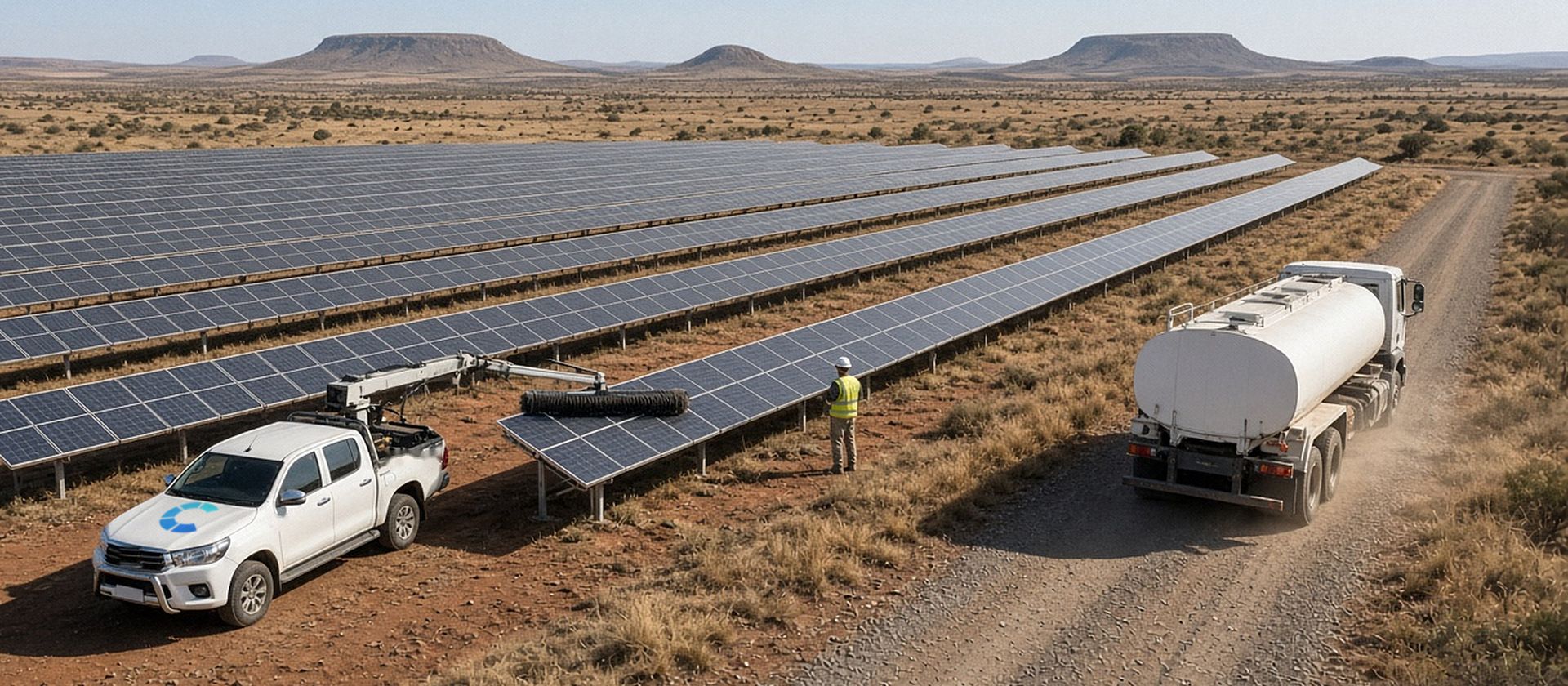
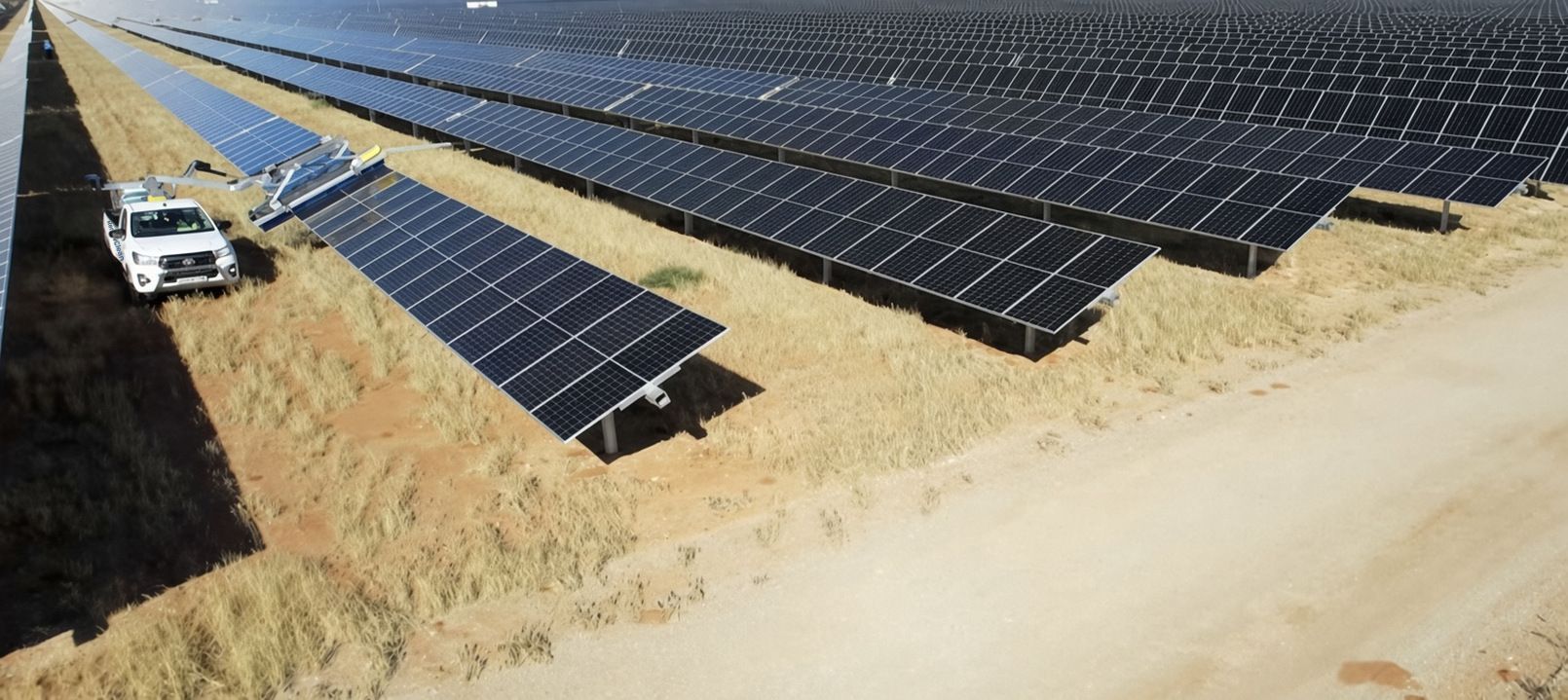
We clean, test, monitor and maintain solar plants and wind turbines. Science decides when and how we clean, drones and PV testers find faults early, and you get one point of contact and one full report.
Most plants wash twice a year out of habit, with hard water that leaves scale behind. Faults hide until they cost you. We clean when it pays, stop contaminants before they do damage, and find failing panels before they fail.
13%of output that metal oxides, cement and limescale can take within 3 to 6 months
R4:1an example target: R4 of energy back for every R1 spent on cleaning
1500 VIV curve analysers rated to 40 A for high-current strings
1point of contact and one full report for cleaning, testing and maintenance
We make sure you save
Four problems we solve on your plant.
Every one of them costs you energy you have already paid to produce. Each one has a measurable fix.
01Soiling data + AI
Clean when it pays, not by the calendar
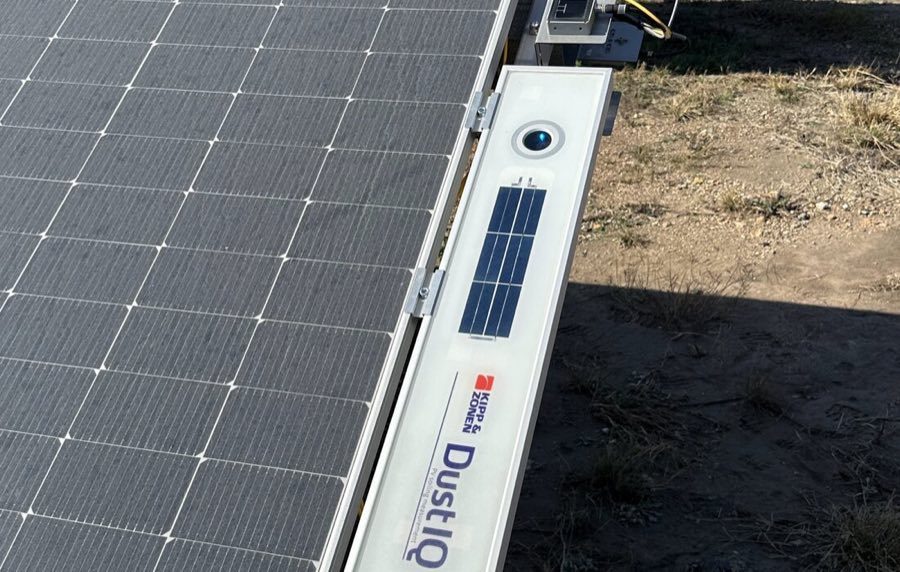
Soiling sensors, local wind and weather patterns and AI prediction find the tipping point where a clean earns more than it costs.
You set the target, for example R4 of energy for every R1 spent. We clean when it is reached.
02Contaminant specialists
Stop contaminants before they cause damage
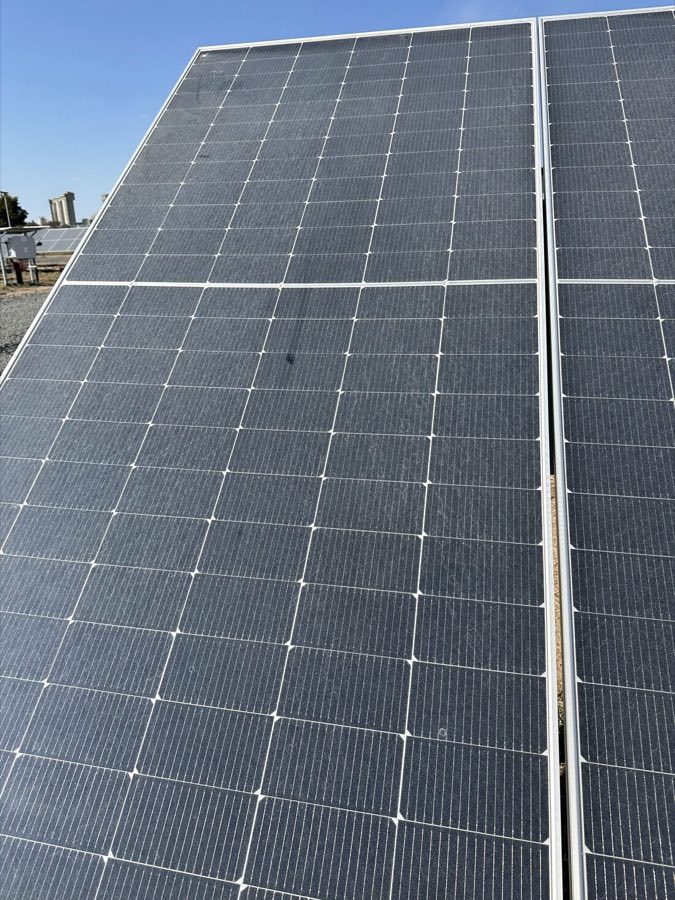
Metal oxides, cement and limescale can cut output by 8 to 13% within 3 to 6 months. Left on, they etch the anti-reflective coating, cause hotspots and put warranties and insurance cover at risk.
We remove them and protect the panels so they don’t build up again.
03Water + chemistry
Beat hard water, and use less of it
Most plants clean with hard water. The scale it leaves gets harder with every wash, so prevention beats removal.
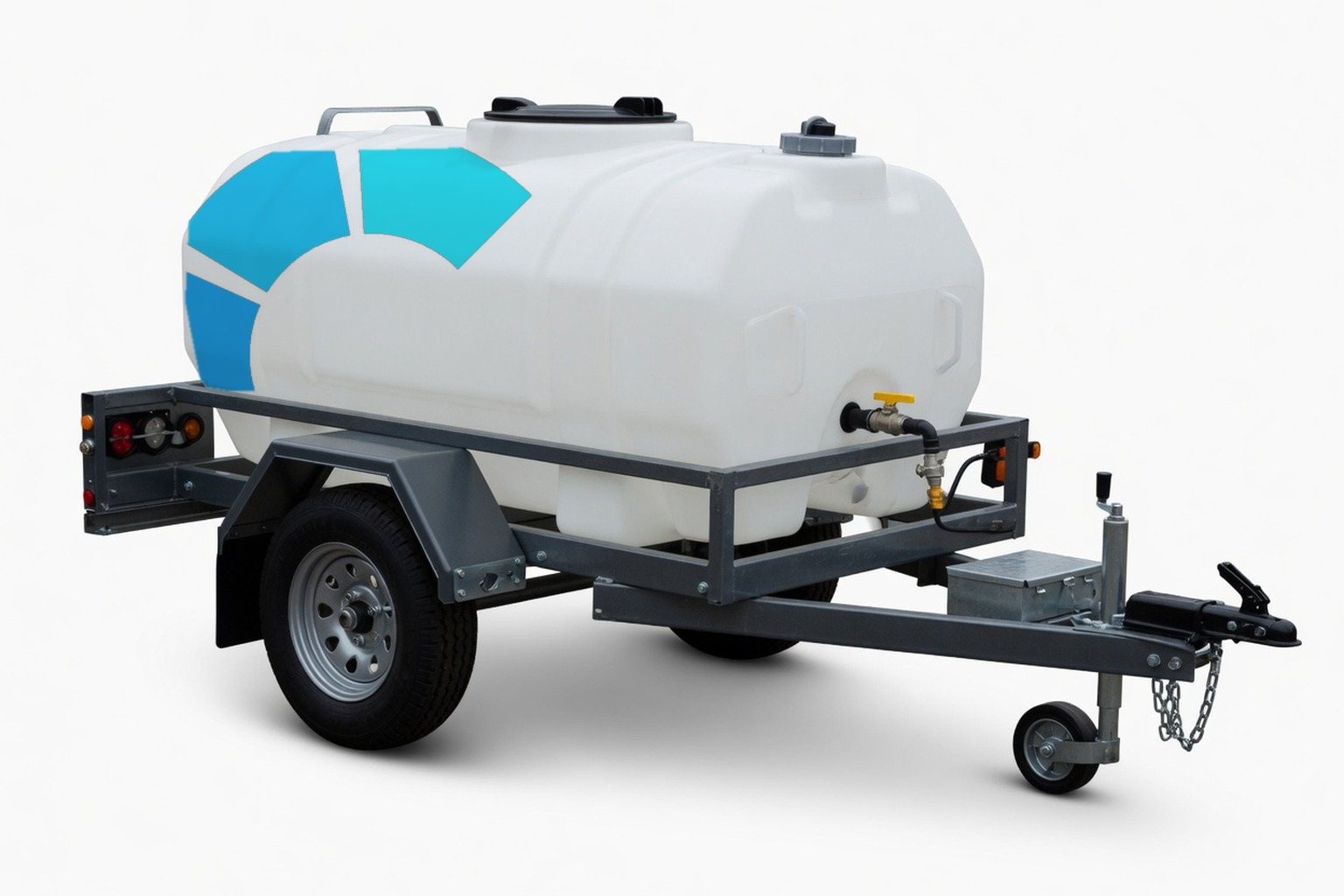
We design water plants or soften with chemicals, and apply anti-dust treatments that allow dry cleaning cycles.
04Drones + PV testers
Find failing panels before they fail
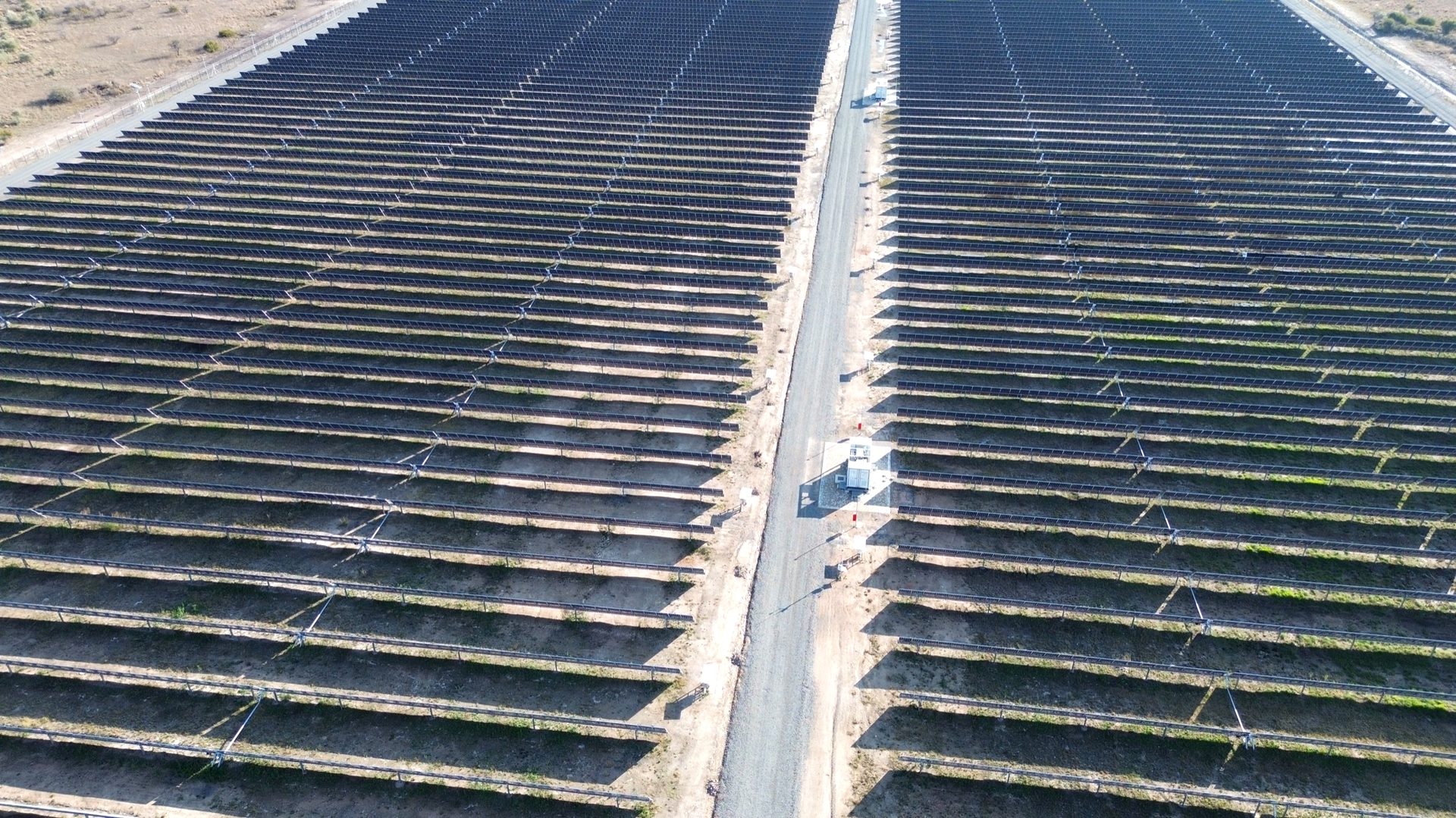
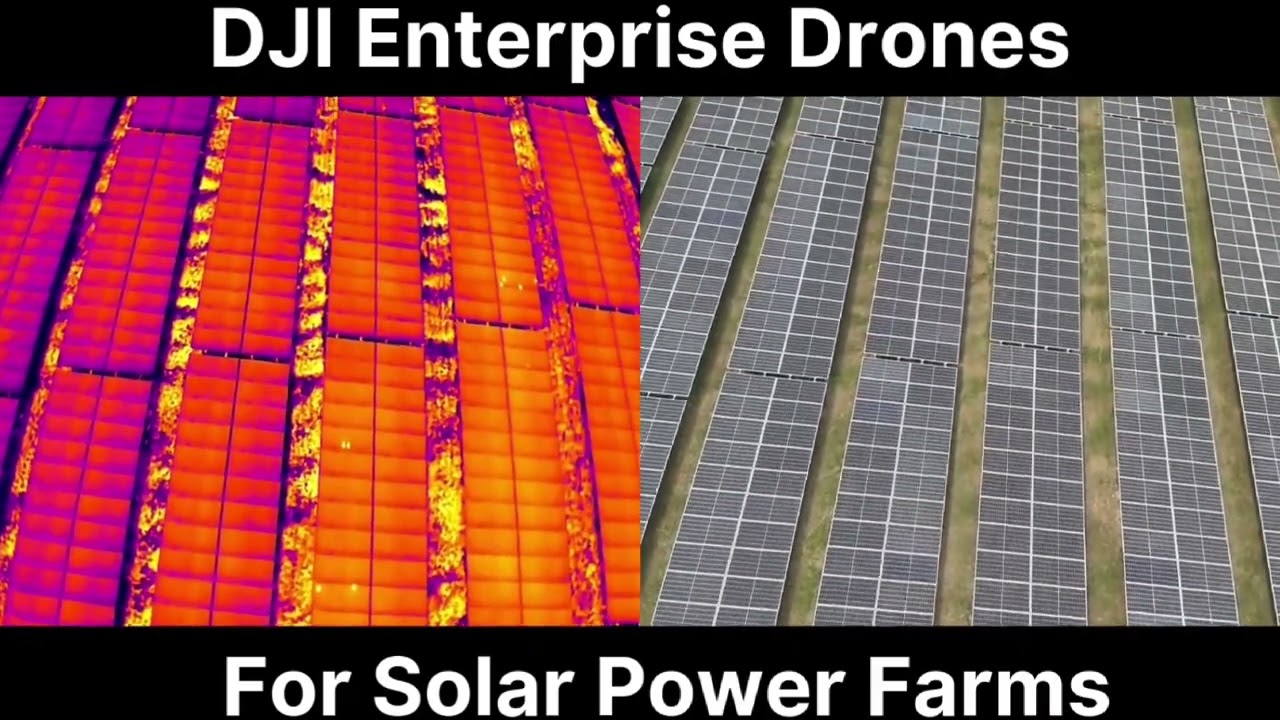
Thermal drones scan the whole plant for hotspots and hazards. Our team checks each fault on the ground with handheld thermal cameras.
We fix or replace on site, or brief your team, then confirm with 1500 V / 40 A IV curve tests.
Data-led cleaning
Every recommendation is backed by your own site’s data.
Sensors on your rows, AI forecasts of dust build-up and a return you choose. The clean happens at the tipping point, automatically or on your go-ahead.
Measure
Soiling sensors record losses on your site every day.
Predict
AI models use wind, weather and dust data to forecast build-up.
Decide
You set the return you want from each rand spent on cleaning.
Clean
We clean at the tipping point, automatically or on your go-ahead.
Try it: set your target return
R4 : R1
R2 · clean oftenR8 · clean rarely
With this target, the model on an example dusty site calls 6 cleans this year, each one timed to a dust event or a dry spell rather than a date.
DJI enterprise drones map the whole plant in thermal and in 3D. Our team then confirms each fault on the ground and proves the repair with an IV curve.
Thermal scan · Block C2Max —
Hotspots flagged: 025°C 80°C
Drone thermography
Hotspots, failed diodes, hot strings and areas running hot from dust, mapped to the exact module.
LiDAR survey · 3DPoints —
Terrain · rows · vegetationLow High
LiDAR 3D scans
Accurate surveys of terrain, row heights and vegetation, for drainage, grass and fire-break planning.
Illustrations of the output. Your report shows your own plant.
Our 1500 V / 40 A analysers trace the current and voltage of each string. A healthy string has a smooth knee. A failed bypass diode puts a step in it. Soiling squashes it flat. Try it.
DJI enterprise thermal drones map every panel on site.
2
Confirm
Handheld thermal cameras check each flagged panel on the ground.
3
Fix
We repair or replace on site, or brief your own team.
4
Prove
IV curve tests confirm the fix before we recommission.
5
Report
To you and, with your consent, to your insurer and the manufacturer.
Groundbreaking wind turbine blade cleaning
Clean blades by drone, in hours instead of weeks.
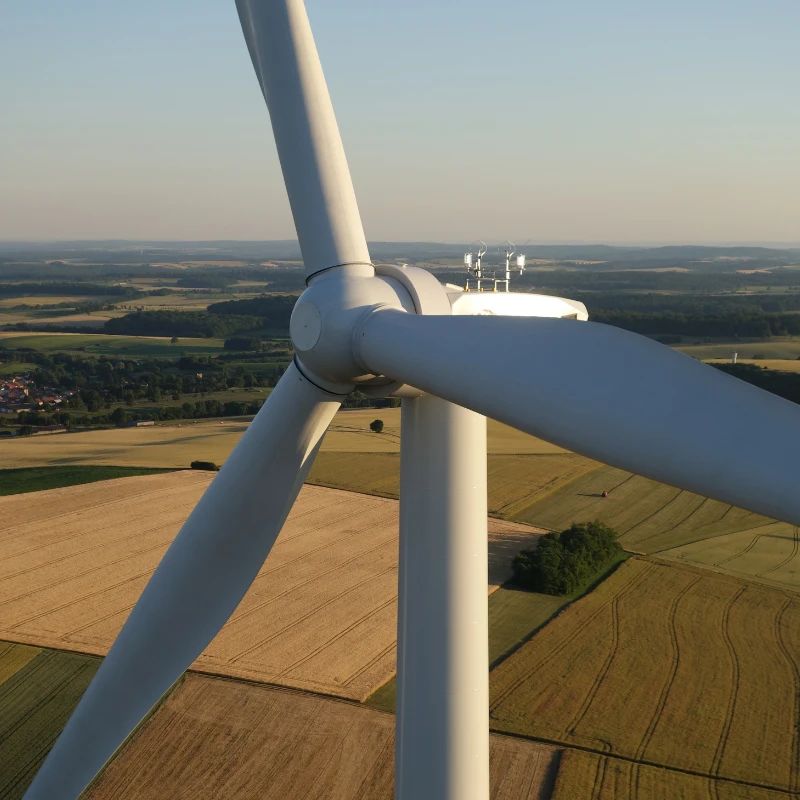
Our proprietary drone system applies a specialised foam made by RenewChem that lifts what builds up on blades. No one hangs from the nacelle, and your turbine is back online the same day.
Traditional rope access
1–2 weeks
People at height
A rope team hanging from the nacelle
Red tape
Rigging, working-at-heights permits and safety files
Downtime
Several days to weeks offline
RenewClean drone cleaning
3–4 hours*
People at height
Nobody leaves the ground
Red tape
Far fewer approvals, because no one works at height
Downtime
Back running the same day
*Per turbine, depending on how dirty the blades are and on wind conditions on the day.
Insect build-upOil and grease leaksDust, sand and dirtSalt near the coastBird droppingsAlgae, mould and lichenSoot and exhaustPollen
Move the sliders to find the frequency that costs you least, counting both lost yield and the cost of each clean. We confirm the real answer on site.
Large C&I sites start at about 1 MWp. Utility plants run from 10 MWp to several hundred.
How dusty is the site?
Your PPA price or the tariff you avoid.
Assumptions behind the estimate
Specific yield 2 000 kWh/kWp a year
Cost per clean (labour, water, equipment) R3 500 per MWp
Soiling builds evenly, then levels off at 12% loss
No cleaning means one rain reset a year
Water per clean about 1.5 kL per MWp
Estimated saving with the optimum schedule
—
Optimum cleans——
Soiling loss—
Water a year—
Yearly cost (lost yield plus cleaning) by cleans a year. An indicative estimate, not a quote: rain, tilt, water quality and access all change the answer.
How often should a utility-scale plant be cleaned?
When it pays. Soiling sensors measure your losses every day and AI models forecast how fast dust will build up. You set the return you want, for example R4 of energy for every R1 spent on cleaning, and we clean when that point is reached. We still recommend at least one deep clean a year to remove scale and contaminants.
What is the difference between soiling and contamination?
Soiling is loose dust and sand that comes off with water and a brush. Contamination bonds to the glass: metal oxides, cement and limescale. It can cut output by 8 to 13% within 3 to 6 months, etch the anti-reflective coating and cause hotspots. We remove it with specialist chemicals and then protect the panels.
Can you work with our existing O&M team?
Yes. We work alongside your team, not instead of it. Choose full turnkey, a shared model where we do the deep cleans and chemical work, or monitor-and-advise where we point your team to underperforming areas and train your staff.
How often should a plant get a drone thermal scan?
At commissioning, then at least once a year, or as often as your insurer or asset owner requires. Reports go to you and, with your consent, to your insurer, and support warranty claims with the evidence manufacturers ask for.
What IV curve testing do you do?
We use 1500 V / 40 A analysers for high-current strings, on a 10% spot check or the full plant, to find weak strings and wiring faults. We also use IV curves to prove every repair before we recommission.
How does drone blade cleaning work on wind turbines?
A drone inspection shows whether the blades need a clean. Our drone system then applies a specialised foam made by RenewChem that lifts insects, oil, salt and grime, and a follow-up inspection confirms the result. It takes about 3 to 4 hours per turbine, depending on how dirty the blades are and on the wind, and nobody works at height.
Can our own team use your cleaning chemicals?
RenewChem’s everyday panel cleaners, protective coatings and anti-static coatings are gentle enough for your own team, after we train them and check the dilution ratios. The strong contaminant removers used in deep cleans can damage panels if used wrongly, so we only supply them to fully certified teams, or our own crews do the work.
Is RenewClean part of a group?
Yes. RenewClean is the execution company of the RenewHoldings group. RenewChem, part of the same holding company, tailors and supplies the chemistry and equipment. You can use RenewChem on its own, or let RenewClean deliver it all under one contract.
What are your credentials?
RenewClean is a Level 2 B-BBEE company and a SAPVIA member, and our engineers are ECSA-registered. Our safety file and supporting documents are available on request for tenders and vendor registration.
Start here
Talk to us about your next solar or wind site.
Tell us what your plant needs, and we’ll take it from there. Site visits and pilot cleans are free.