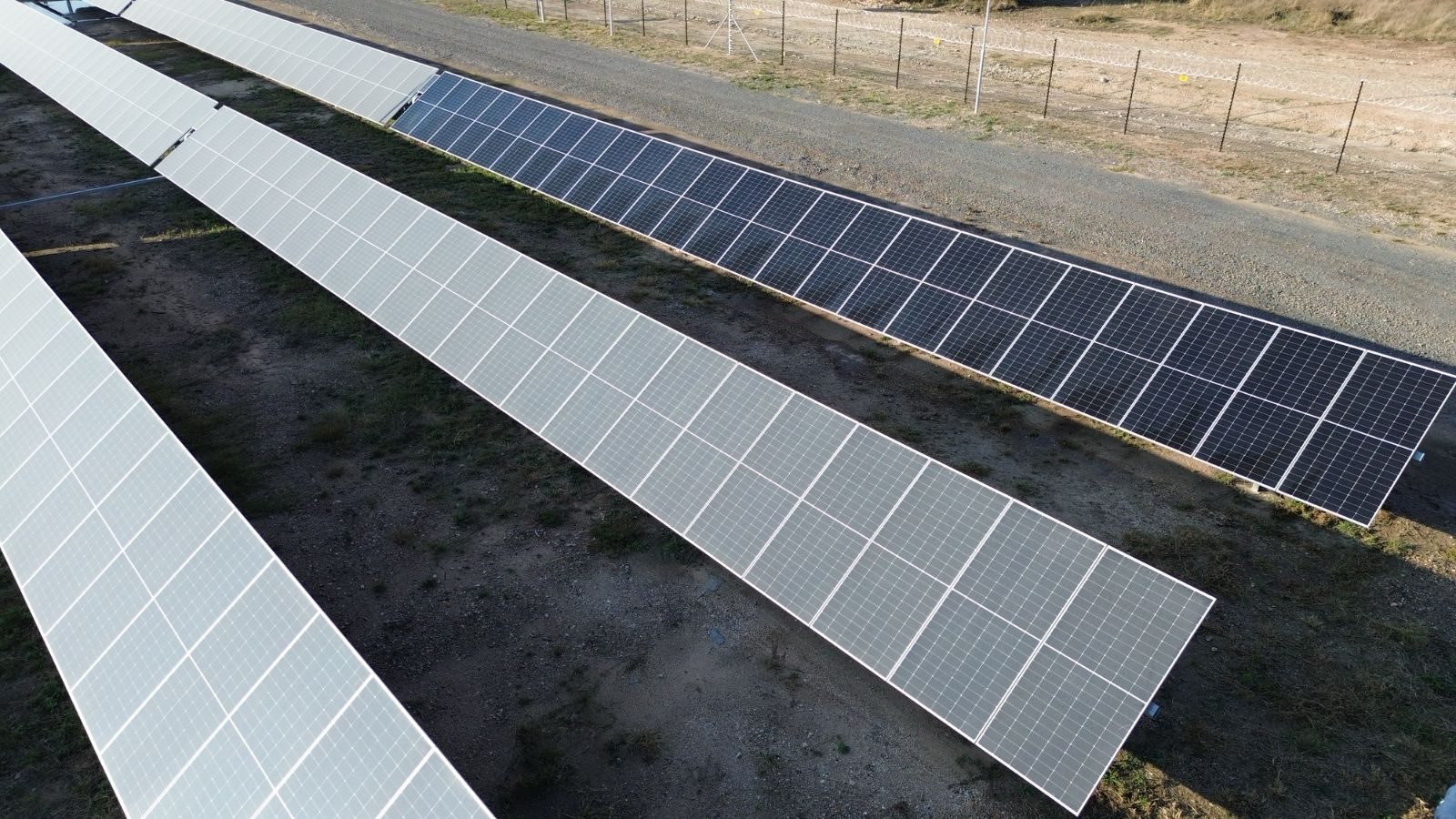
Know exactly how your plant is performing.
Full fault diagnostics, from the air to every string. We find problems early, show you exactly where they are and help fix them, with world-leading drones and PV testers.
Scan. Confirm. Fix. Prove.
The drone finds it, a technician confirms it on the ground, we fix it, and an IV curve proves the fix. Nothing goes in the report on a guess.
Scan
DJI enterprise thermal drones map every panel on site.
Confirm
Handheld thermal cameras check each flagged panel on the ground.
Fix
We repair or replace on site, or brief your own team.
Prove
IV curve tests confirm the fix before we recommission.
Report
A full report to you and, with consent, your insurer.
Every string, measured against what it should be.
We use 1500 V / 40 A analysers built for today’s high-current strings. Each trace is compared with the expected curve for that string, so weak strings, failed bypass diodes, wiring faults and soiling losses stand out straight away.
- A 10% spot check or the full plant
- Measured against irradiance and module temperature
- Used to prove every repair before recommissioning
 IV curve testingMetrel MI 3115 PV analyserMetrel equipment demo · YouTube
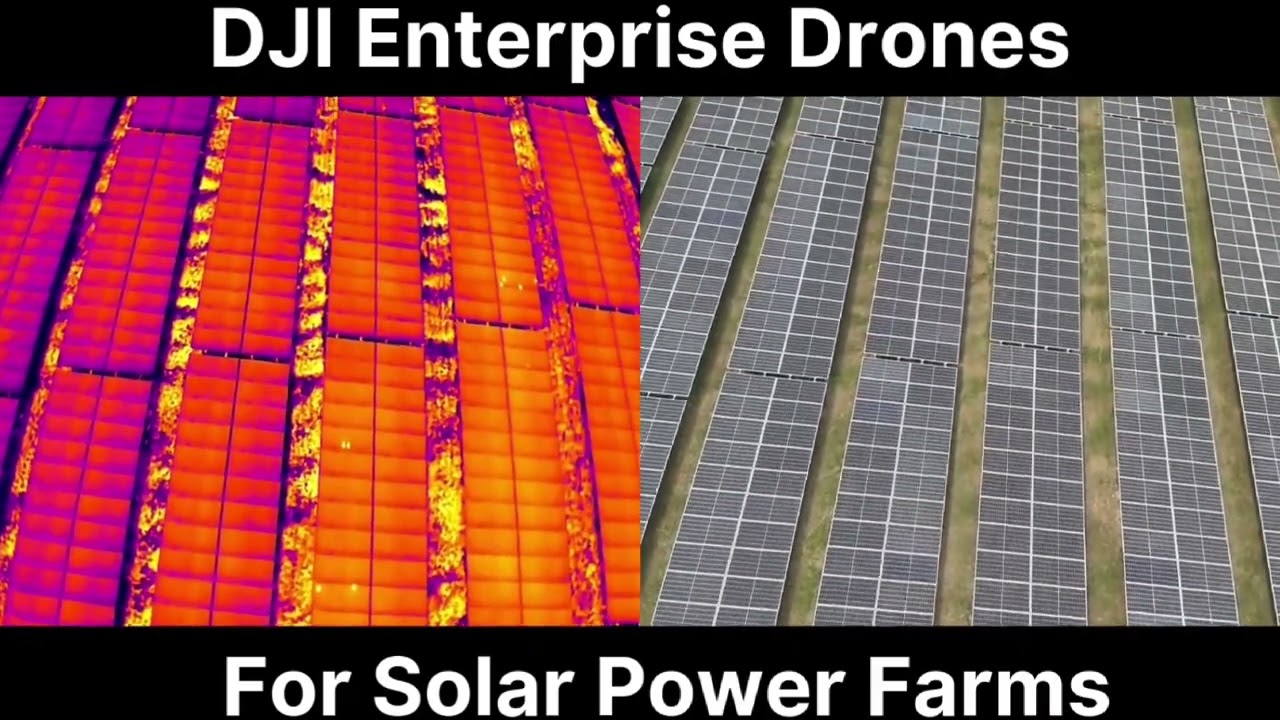 Thermal inspectionThermal drones on a solar farmDJI equipment demo · YouTube
Videos from the makers of the equipment we use. Our own site footage is on its way.
Whole-site thermal reports.
Hotspots, failed diodes, hot strings and areas running hot from dust, each one mapped to the exact module and then checked on the ground with a handheld thermal camera.
- DJI enterprise thermal drones
- Every fault confirmed by hand before it is reported
- We inspect wind turbine blades too
Find it early, fix it once.
Each service works on its own, or as part of a Commissioning Pack or Annual Health Check.
Commissioning support
Clean, scan and test before handover, so the plant starts with a signed baseline report for the owner, builder and lenders.
Equipment thermal checks
Inverters, PV string fuses, combiner boxes and battery systems, checked for heat before they fail.
Panel health and replacement advice
We know when hotspots will form, which panels are at risk, and when replacing them pays off.
Soiling sensors and AI prediction
Sensors measure soiling loss every day. AI prediction tells you when cleaning reaches your target return.
Solar drone inspections
Fast visual and thermal surveys of your whole plant, flown on a repeatable route.
LiDAR scans
Accurate 3D surveys of terrain, rows and vegetation on your site.
After a strike, we find what it hit.
Our in-house lightning specialist tests the surge protection devices (SPDs), finds where the strike hit and what was damaged, and maps your risk areas. We also run full lightning protection studies, and can arrange the design and installation of any upgrades through our engineering partners.
Scan at commissioning, then at least once a year.
Or as often as your insurer or asset owner requires. Reports go straight to you and, with your consent, to your insurer, and support warranty claims with the evidence manufacturers ask for.
About inspection and testing.
How many strings do you IV test?
Usually a 10% spot check across every inverter, which finds patterns quickly. Where the spot check or the thermal scan shows a problem, or at commissioning, we test the full plant.
Why confirm drone findings by hand?
A drone sees the whole plant fast, but reflections, shading and dirt can look like faults from the air. A handheld thermal check on the ground confirms each one, so your report only lists real faults.
Will an insurer accept your reports?
Our reports are built to support insurance and warranty claims, with module-level locations, thermal images, IV traces and the evidence manufacturers ask for. With your consent we send them straight to your insurer.
Can you fix what you find?
Yes. We repair or replace on site, from modules and connectors to fuses and diodes, or brief your own team. Every fix is proved with an IV curve before we recommission.

Get a baseline for your plant.
A thermal scan and an IV sample show where your plant stands today, and what to fix first.